
Five key points for lighting fixture selection
The points to consider when selecting LED lighting differ from those for other light sources. Because the light distribution, color of the light (light temperature), and how colors look when illuminated (color rendering) differ even among the same types of LED lighting, it is important to understand the following five points in order to select appropriate lighting fixtures.
Rated luminous flux (lm)
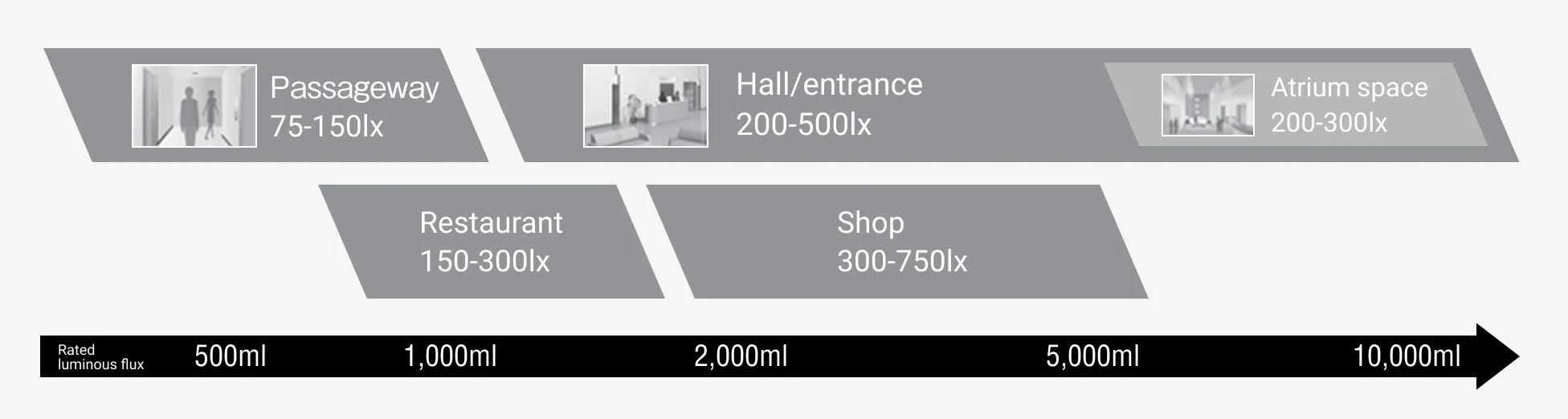
The brightness of LED lights is expressed in the form of rated luminous flux.
"Rated luminous flux" refers to the initial luminous flux emitted by LED lighting fixtures and corresponds to "the fixture luminous flux" of conventional light-source fixtures. When describing conventional lighting fixtures, lamp luminous flux values are often used, whereas rated luminous flux values are used when describing LED lighting because lighting with LED modules that cannot be replaced are the norm.
The relationship between these two types of lighting fixtures is as follows.
Conventional lighting fixture: [fixture luminous flux] = [lamp luminous flux] × [fixture efficiency]
↔
LED lighting fixture: [rated luminous flux]
Standards for lighting fixture brightness (downlights/spotlights)
Difference in power due to differences in light color
Light source reflection due to finish
Even with the same type of LED lighting fixtures, lights with a low color temperature tend to emit lower amounts of light. The brightness standard expresses the brightness of the light when the color temperature is the most efficient color temperature among lighting fixture of the same LED type. Accordingly, the fact that the light will be slightly less bright at a lower color temperature should be taken into consideration.
Downlights example
Rated luminous flux:2,005 lm
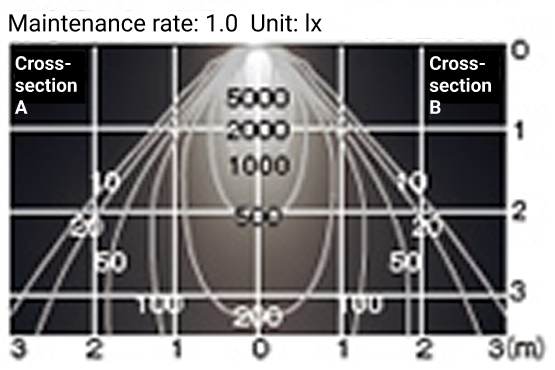
Rated luminous flux:1,665 lm
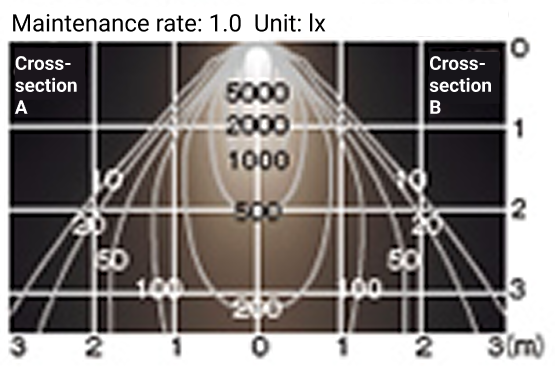
Rated luminous flux:1,600 lm
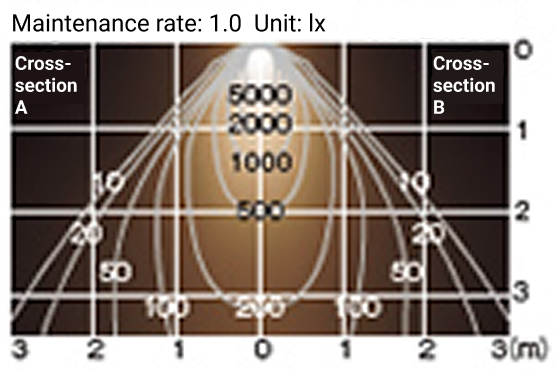
Rated luminous flux:1,555 lm
*Compiled using products for Japanese domestic use as examples
Light color/color temperature (K)
Light comprises bluish light and yellowish light, and these are expressed using light colors and color temperatures.
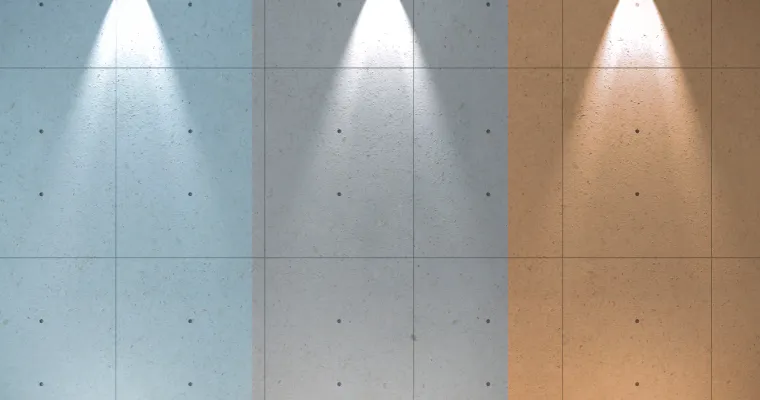
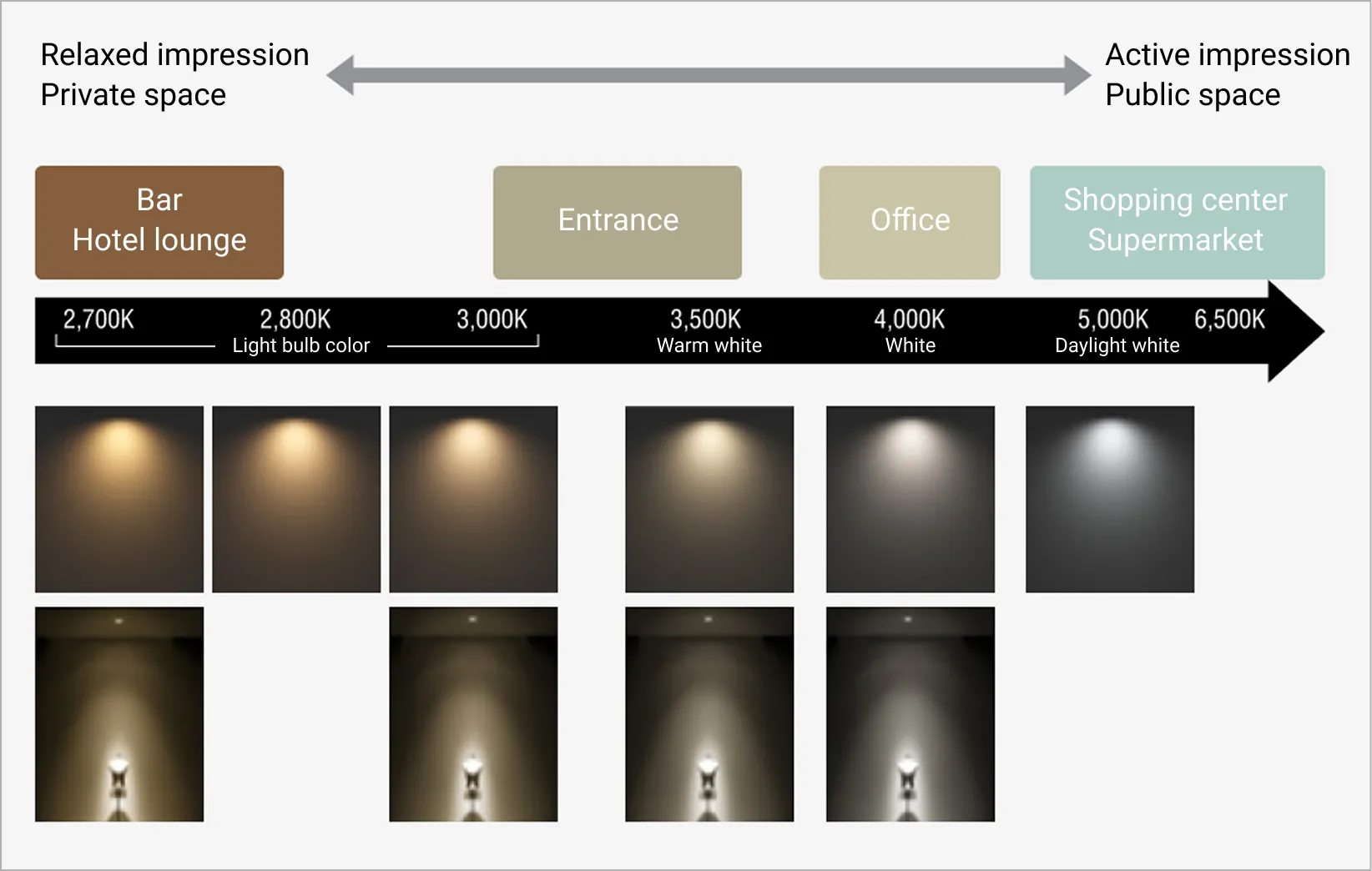
Differences in the light color/color temperature have profound influence on the atmosphere of a space. Because the light source in LED lighting fixture is often integrated, it is necessary to also decide on the light color when selecting lighting fixtures. In general, bluish light is appropriate for bright and lively active spaces because of its high color temperature, while yellowish light is appropriate for calming, relaxing spaces because of its low color temperature.
Standards for color temperature
Color rendering (CRI)
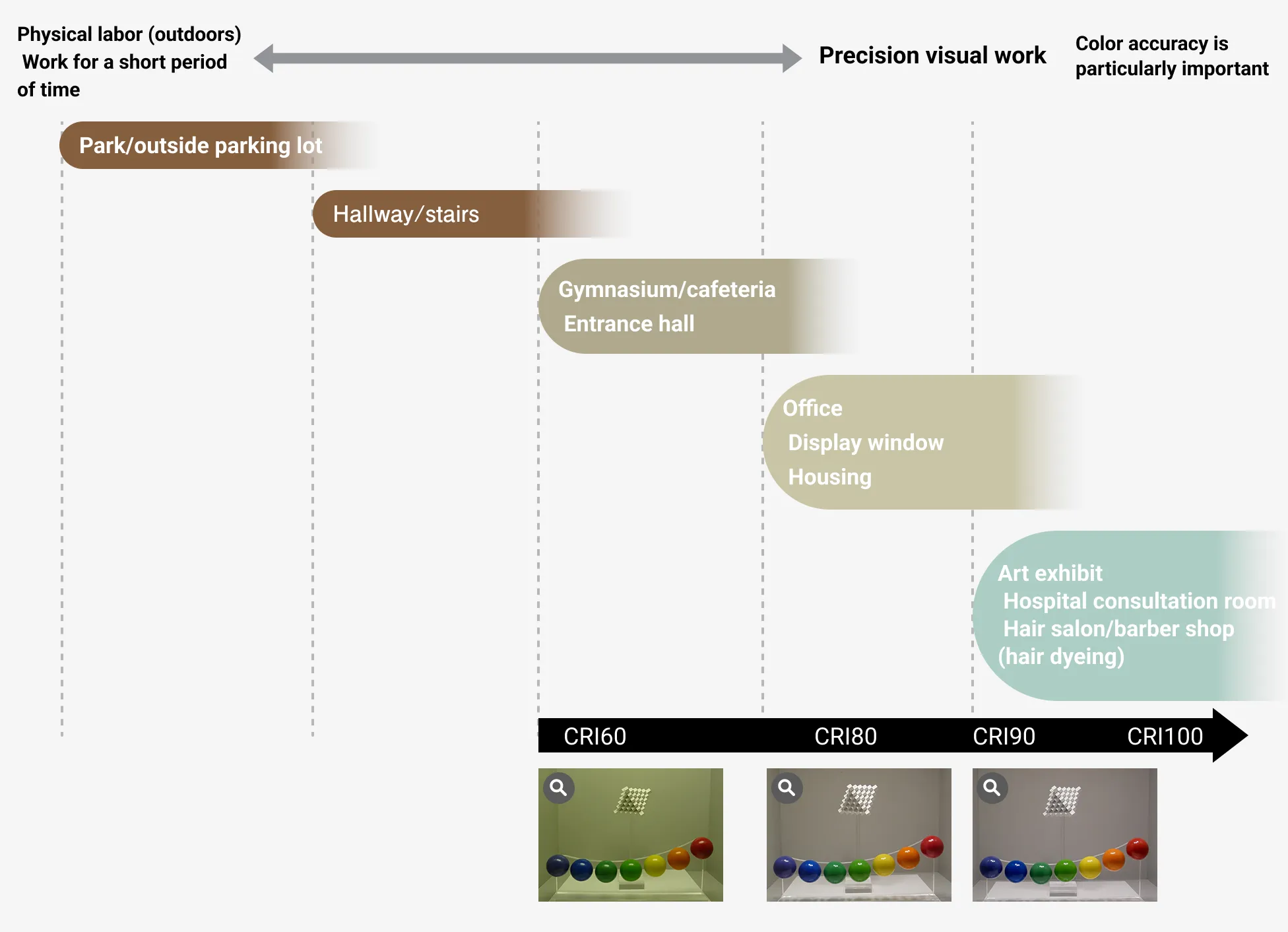
With LED lighting, there is a wide range of color rendering fixtures to choose from, and so it is necessary to consider what kind of color rendering is appropriate for the field of use and purpose of the lighting. Under ISO/CIE 8995-1, the average color rendering index (CRI) required for each work task is regulated. The higher the CRI value, the closer to natural light the colors appear.
Standards for color rendering
Glare
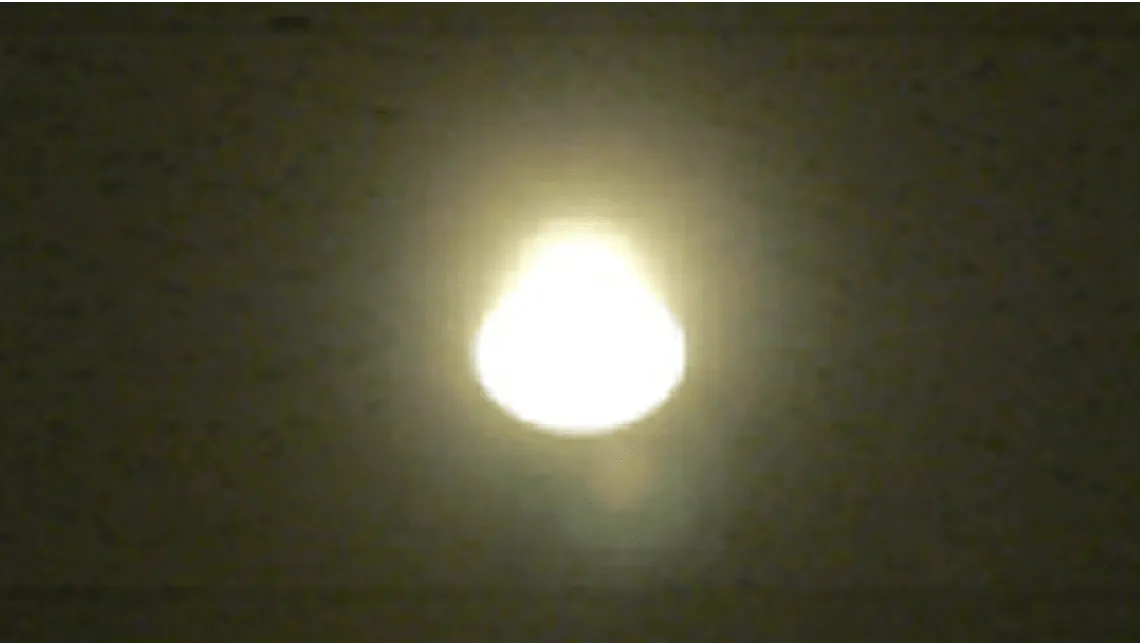
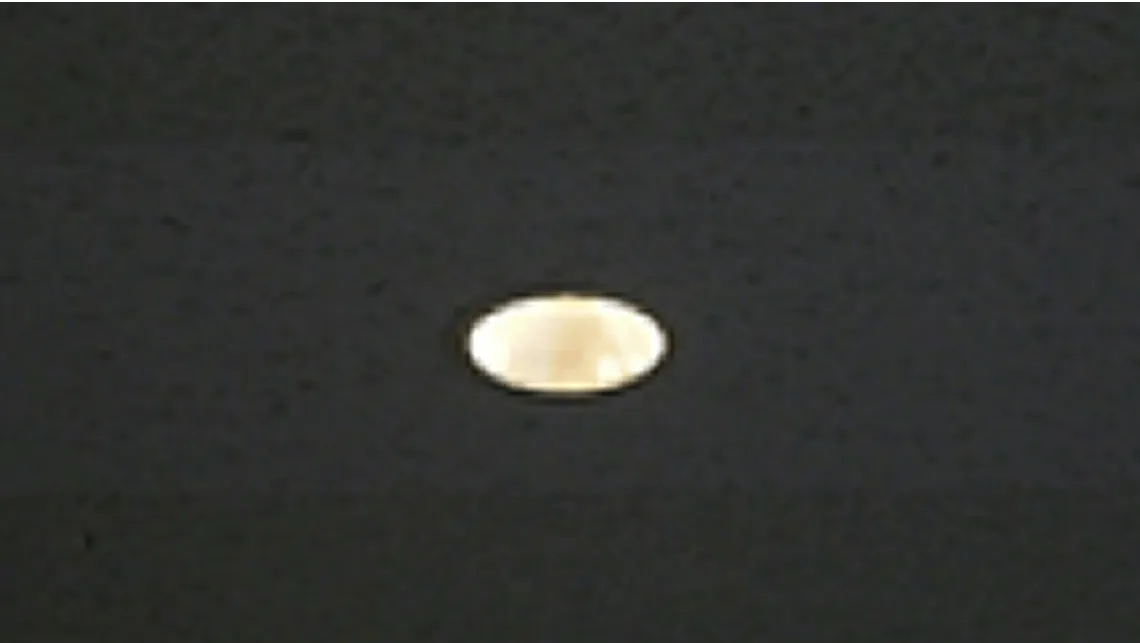
Because of the strong light directivity with LED lighting fixtures, it is necessary to reduce glare.
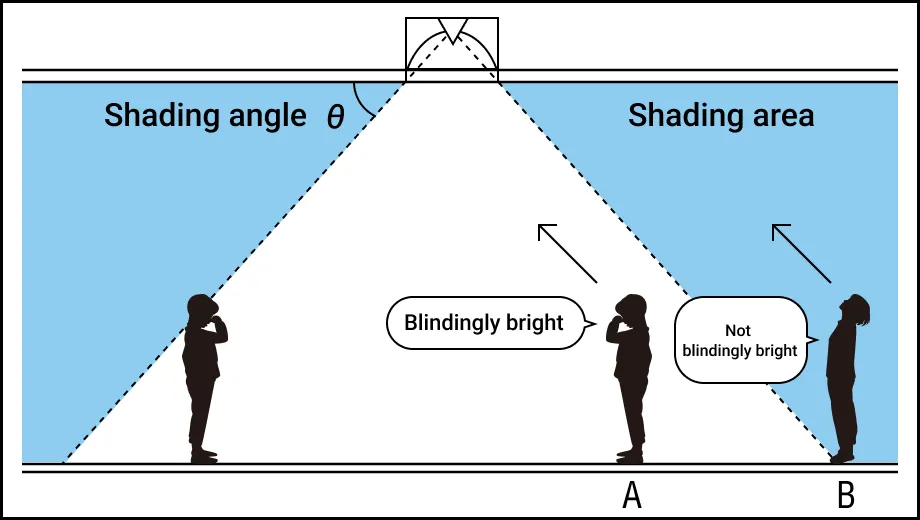
The level of glare changes with the shading angle!
The shading angle is the angle between the limit line at which light from the lighting fixture's lamp does not shine into the eyes and the horizontal line of the lighting fixture. The greater the shading angle, the more difficult it will be for people to see the lamp, even if they get close to the lighting fixture, thereby reducing glare. However, because light is blocked, the efficiency of the lighting tends to decrease. Taking this into consideration, a shading angle appropriate for the size and purpose of the space is set.
Difference in reflectors
For downlights, the atmosphere of a space changes depending on the type of reflector used.
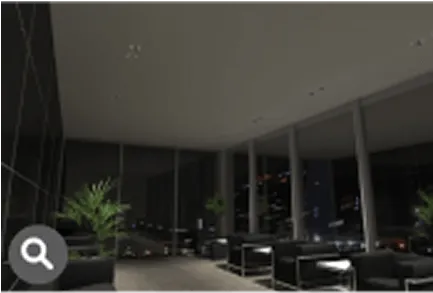
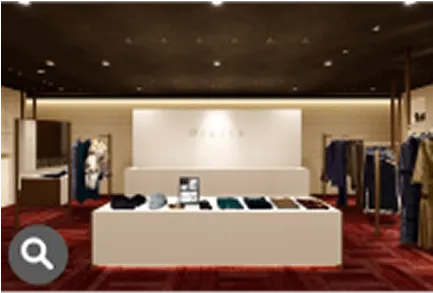
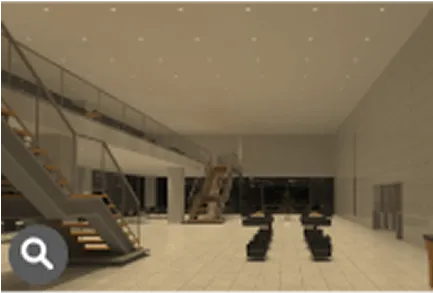
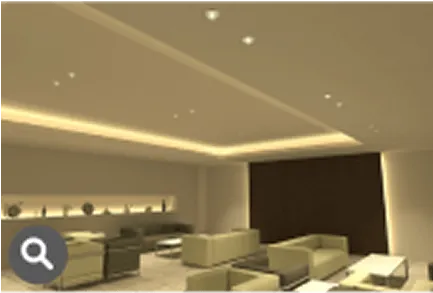
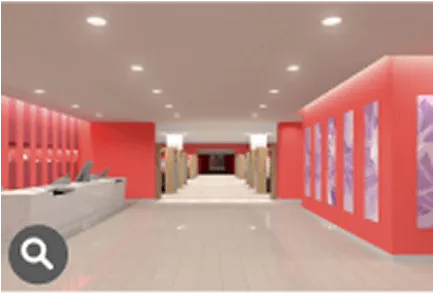
Reflector luminance: high
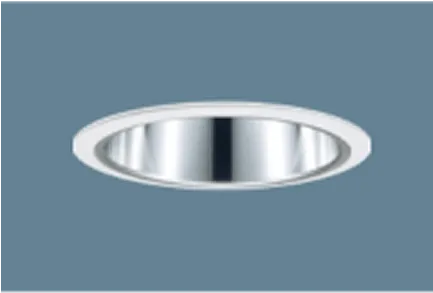
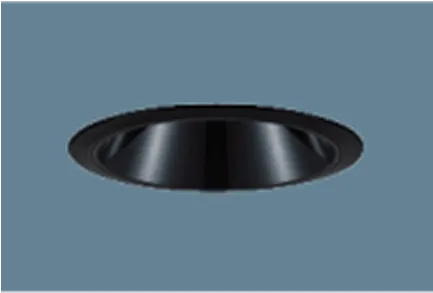
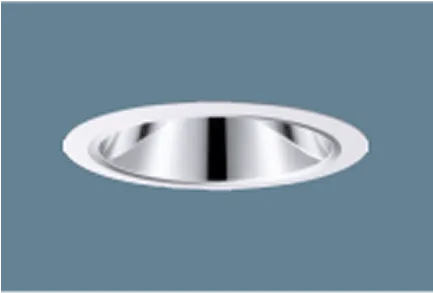
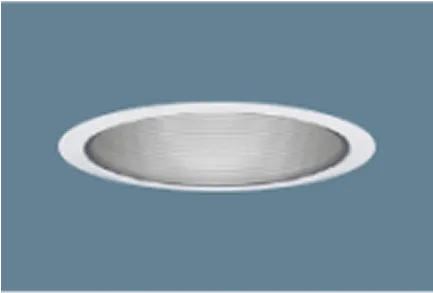

*Compiled using products for Japanese domestic use as examples
Light distribution
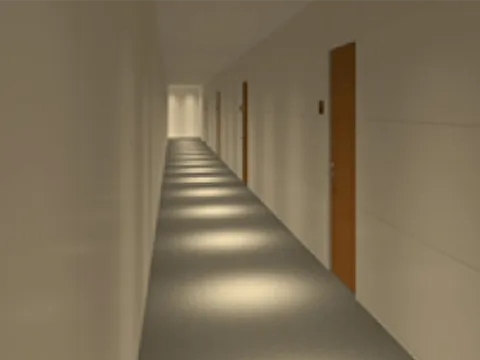
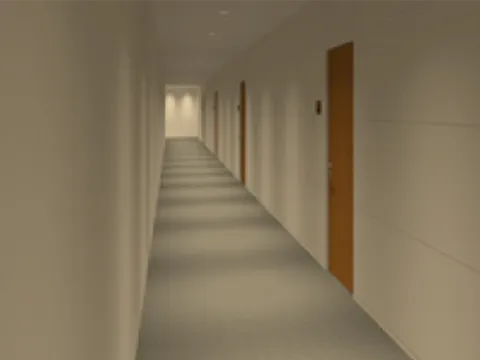
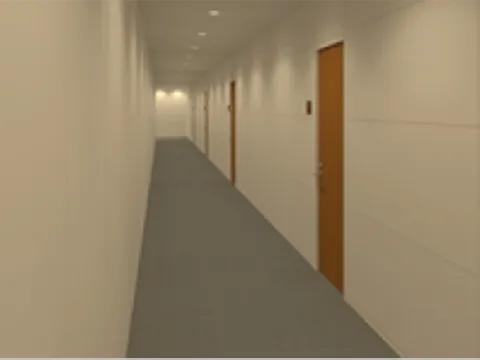
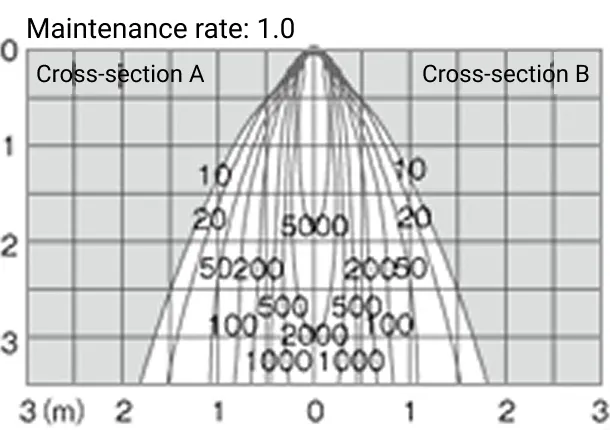
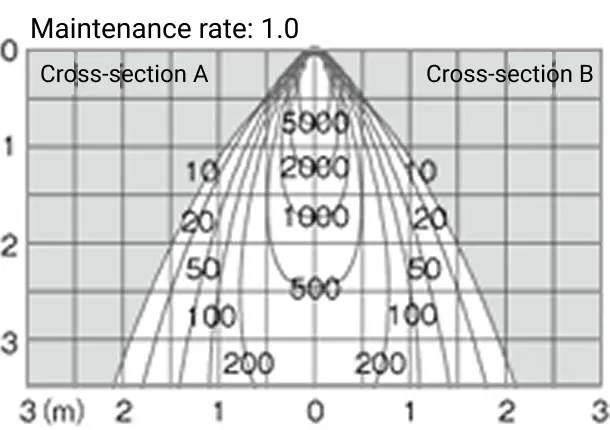
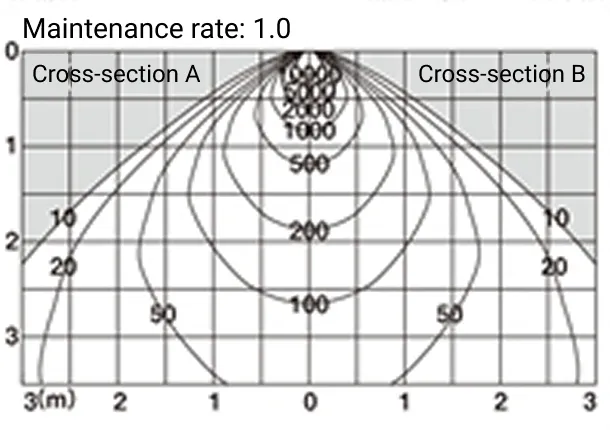
There are huge differences in the amount of light provided, even among fixtures with the same power, depending on the light distribution. Diffuse light distribution produces a uniform light that illuminates the entire space. In contrast, narrow-angle light distribution produces light with more contrast and with higher brightness in the center of the space.
| Narrow-angle light distribution | Wide-angle light distribution | Diffuse light distribution |
|---|---|---|
 |
 |
 |
 |
 |
 |
*Compiled using products for Japanese domestic use as examples
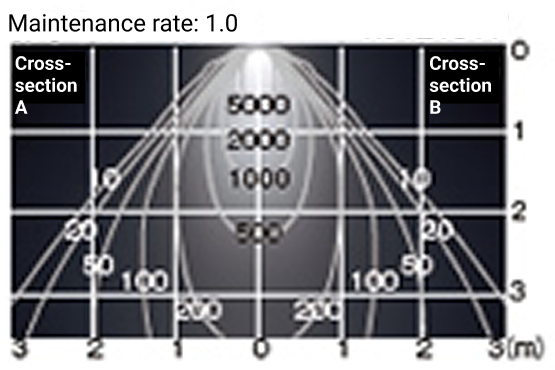
How to read illuminance data
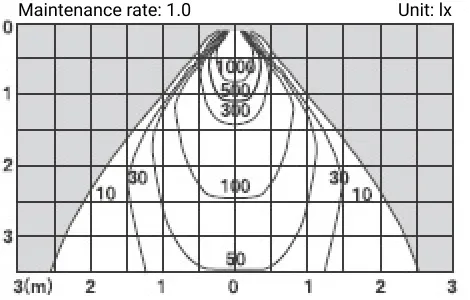
*Compiled using products for Japanese domestic use as examples
The horizontal axis represents the horizontal distance from the fixture and the vertical axis represents the height from the fixture. This shows the distribution of direct horizontal illuminance within a vertical cross-section from the fixture.
*Maintenance factor is set to 1.0.
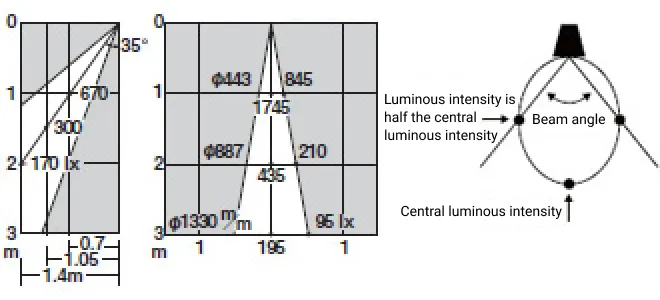
*Compiled using products for Japanese domestic use as examples
Right: The direct horizontal illuminance from below when the lighting fixture is facing downwards and the direct horizontal illuminance for the beam diameter and position, which are determined by the beam angle, are shown. On the horizontal axis is the horizontal distance from the lighting fixture; on the vertical axis is the height from the fixture.
Left: The direct vertical illuminance from the center of the beam at a point on a 35-degree angle from directly below the fixture when it is facing downwards is shown. The horizontal axis represents the distance from the lighting fixture in the horizontal direction, and the vertical axis represents the height from the fixture.
*Maintenance factor is set to 1.0.
*Beam angle: Indicates the degree of beam convergence; it is defined as the angle at which the luminous intensity falls to half of the central (or maximum) intensity.