

Light distribution
Light distribution refers to the direction and quantity of light emitted and the spread by a lighting fixture. By understanding the direction and pattern of the light spread, it is possible to design lighting that achieves the appropriate brightness and atmosphere for a given space.
Light distribution categories
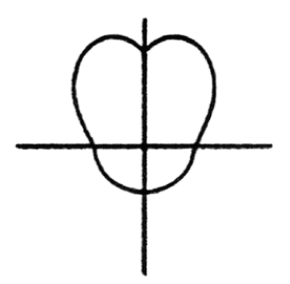
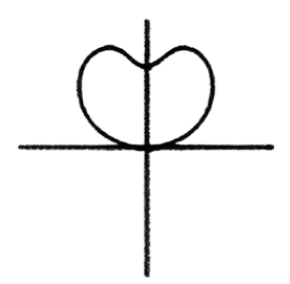
Depending on whether the light from a lighting fixture or lamp is going upward or downward and how much light is being distributed, the light distribution can be classified into the following five categories (based on CIE International Standards).
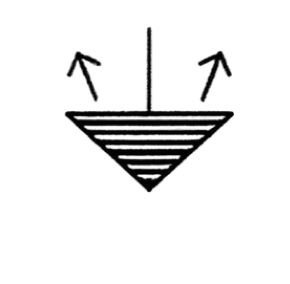
- Direct lighting: Nearly all of the light is directed downward
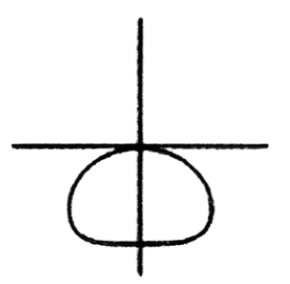
- Semi-direct lighting: The light is mainly directed downward with some directed upward
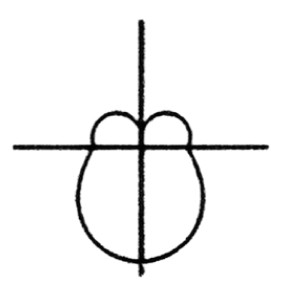
- General diffused lighting: The light is directed upward and downward equally
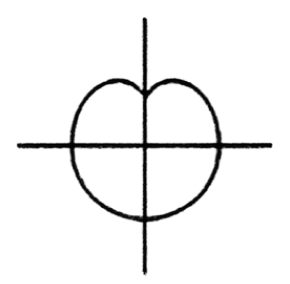
- Semi-indirect lighting: The light is mainly directed upward with some directed downward
- Indirect lighting: Nearly all of the light is directed upward
Because the way the light spreads and the ambience of the space varies significantly depending on the light distribution category, selections are made on the basis of the intended purpose of the lighting.
Basic lighting methods and light distribution
| Direct lighting | Semi-direct lighting | General diffused lighting | Semi-indirect lighting | Indirect lighting | |
|---|---|---|---|---|---|
| Lighting fixture |
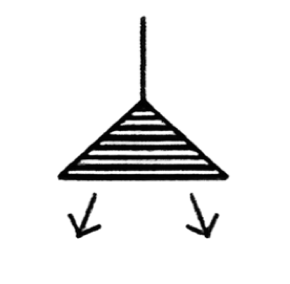 |
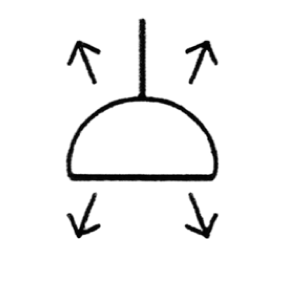 |
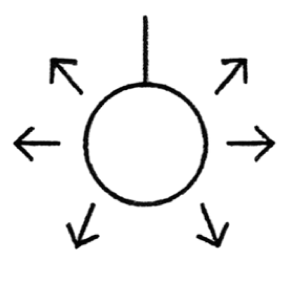 |
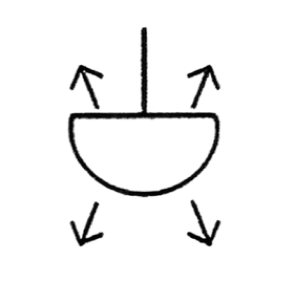 |
 |
| light distribution curve |
 |
 |
 |
 |
 |
Light distribution curve
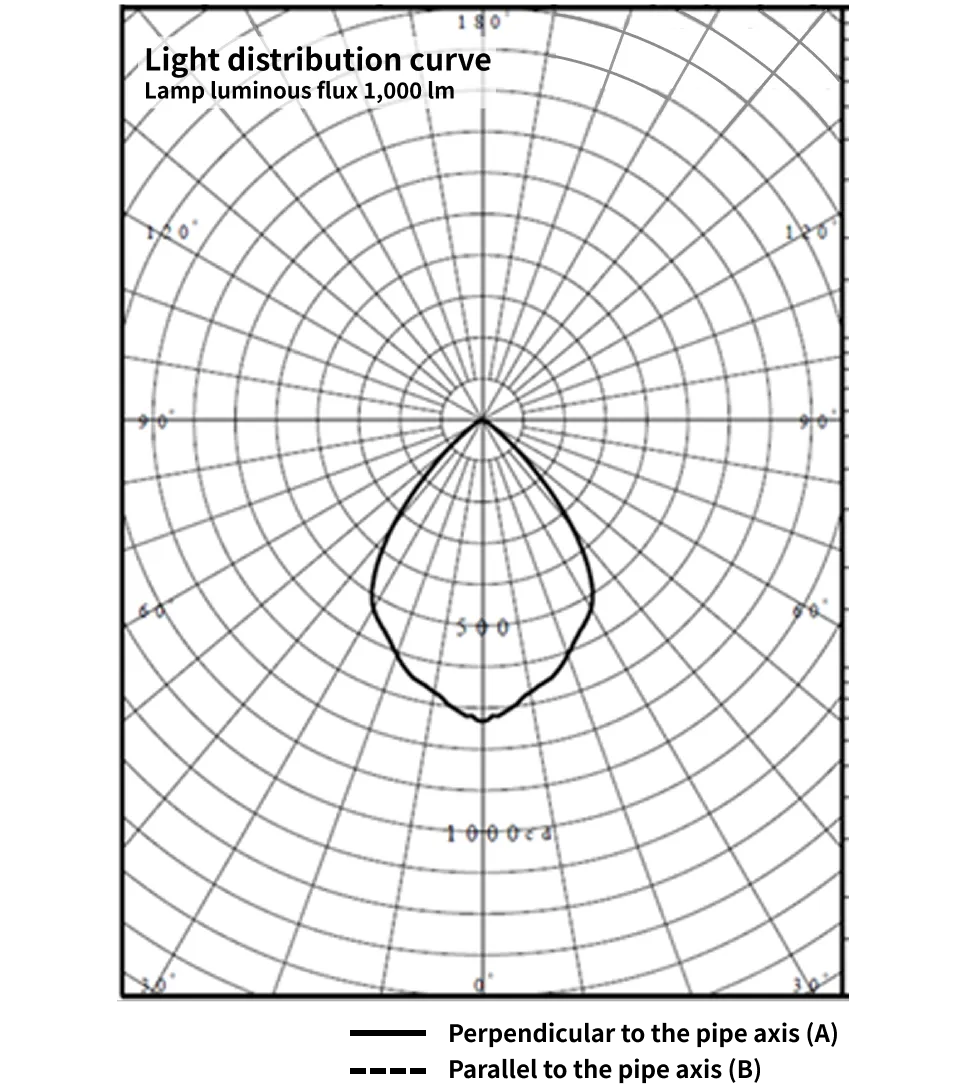
(Excerpt from Light distribution characteristics of indoor LED downlight luminaires made in Japan)
This graph shows the amount of light being emitted in each direction by the lighting fixture. This information makes it possible to identify the direction towards which the lighting fixture is brightest and can be used as the basis of the lighting design, including illuminance planning, lighting fixture selection, and glare assessment.

